On Scales Both Large and Small, Wine Fraud Happens
Here's how to spot it
by
Robin Shreeves on Jan 28, 2013 in
Wine



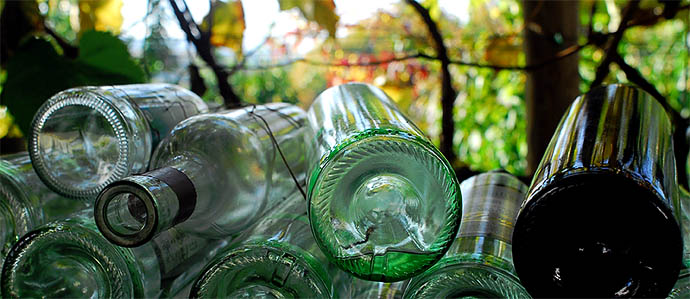
In March of 2012, the rare-wine collecting world was shaken by the arrest of Rudy Kurniawan. His crime? Wine-fraud. Kurniawan had bought and sold millions of dollars worth of rare wine over the years, but many of the wines he sold were fakes. The FBI found a counterfeiting operation in Kurniawan’s home. They confiscated bottles in the process of being turned into knockoffs of desirable wines from Burgundy and Bordeaux, along with counterfeit labels.
It was the labels on the wine he was attempting to sell that in 2008 tipped off Laurent Ponsot, proprietor of Domaine Ponsot in Burgundy. Kurniawan was trying to auction bottles of wine that Domaine Ponsot never made. The dates were wrong — sometimes 40 years off. Ponsot instigated a four-year investigation of Kurniawan, which eventually led to his arrest for what many believe is the largest case of wine fraud in history.
For years, Kurniawan had duped many of the wine world’s biggest spenders. But collectors who invest millions in rare wines aren’t the only ones that need to be concerned with wine fraud. It can happen to anyone in a restaurant.
Check the Year
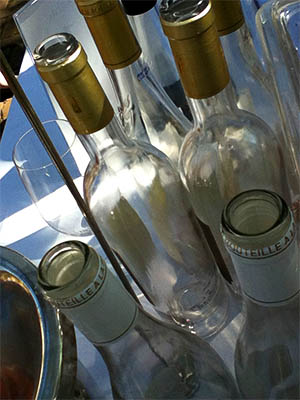 A standard wine menu will always list a vintage year. Sometimes, a server will present a bottle that’s a different year than the one on the list. Since the quality of wine varies from year to year, not all vintages are equally valuable. A restaurant may try to serve an inferior vintage, purposefully or simply by oversight. A quick look at a presented wine’s label to double check the vintage is a good idea when ordering a bottle. If the year differs from that on the wine list, point it out to the server before the bottle is opened.
Pre-Opened Bottles
A bottle that arrives at the table already opened is another indication the wine in it may have been switched. In inexpensive or chain restaurants, it could also be an indication that the server is inexperienced at opening wine and had someone else open it in the wait station. In a fine restaurant, however, an already opened bottle brought to the table is a red flag. An empty bottle may have been filled with less expensive wine.
By the Glass
When wine is served by the glass, fraud is even easier to pull off. If wines on the menu are unfamiliar, it’s difficult to determine if what is served is what was ordered. The bartender may send out the $7 glass of Chianti when the $12 glass was requested. Short of watching the bartender pour the wine, this type of fraud is hard to catch.
It’s good to remember that being brought the wrong wine can be a mistake and not necessarily a deliberate fraud attempt. Suspected wine fraud should be brought to the manager’s attention discreetly, giving the restaurant a chance to correct the problem. However, if it happens at the same restaurant more than once, definitely pick a different restaurant next time.
Top photo via Flickr user nahlinse; bottom photo by Flickr user WineCoMN
Have you ever dreamed of having an amazing home bar, filled with bottles you actually use and the tools you need to execute a fine crafted cocktail? E...read more ›
Part of Canada's response, their retaliation, to the tariffs imposed o...read more ›
In this history segment, we take a closer look at a classic cocktail: The Boulevardier....read more ›
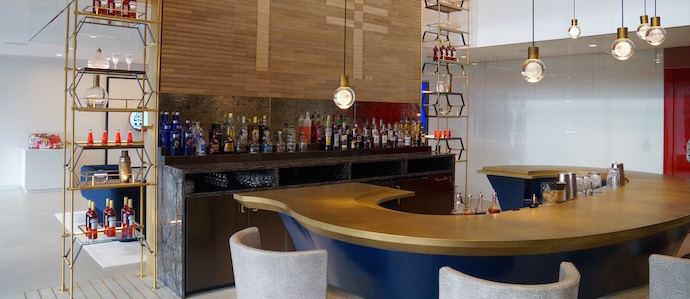
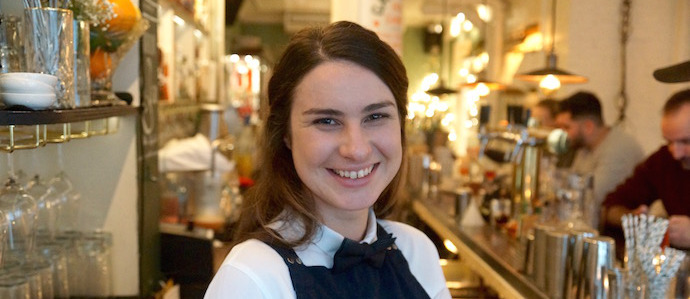
For this exciting installment of Behind the Bar, we had the incredible opportunity to sit down with Liana Oster, the head bartender at Dante in New Yo...read more ›
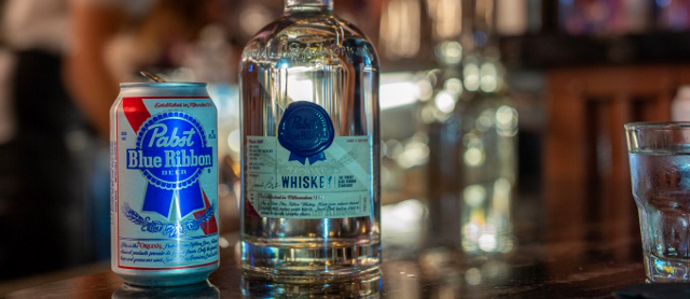
PBR has launched their own whiskey. Let's keep an open mind and see what is inside this bottle....read more ›
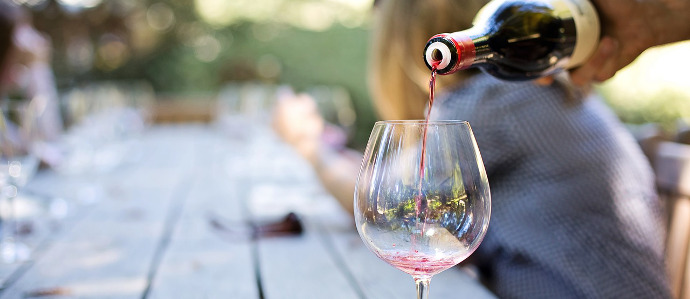
There's a new investigative series about one of the biggest scandals to ever hit the wine world....read more ›
Scientists may have discovered a more environmentally friendly way to make one of the world's most popular spi...read more ›
Negroni Week 2019 is June 24-30, so drink this classic cocktail for a good cause....read more ›
If you're taking an Uber, Lyft, or cab and feel unsafe, there are steps you can take to protect yourself....read more ›
This time on Behind the Bar, we spoke to Kat Corbo of The Study, who recently won Speed Rack 2019....read more ›
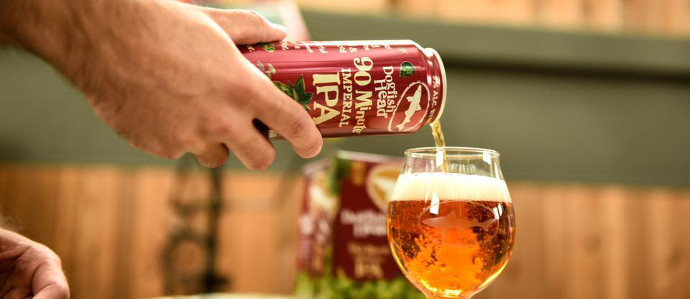
In a huge move for the American craft beer community, Boston Beer and Dogfish Head have agreed to a merger valued at $300 million dollars. ...read more ›